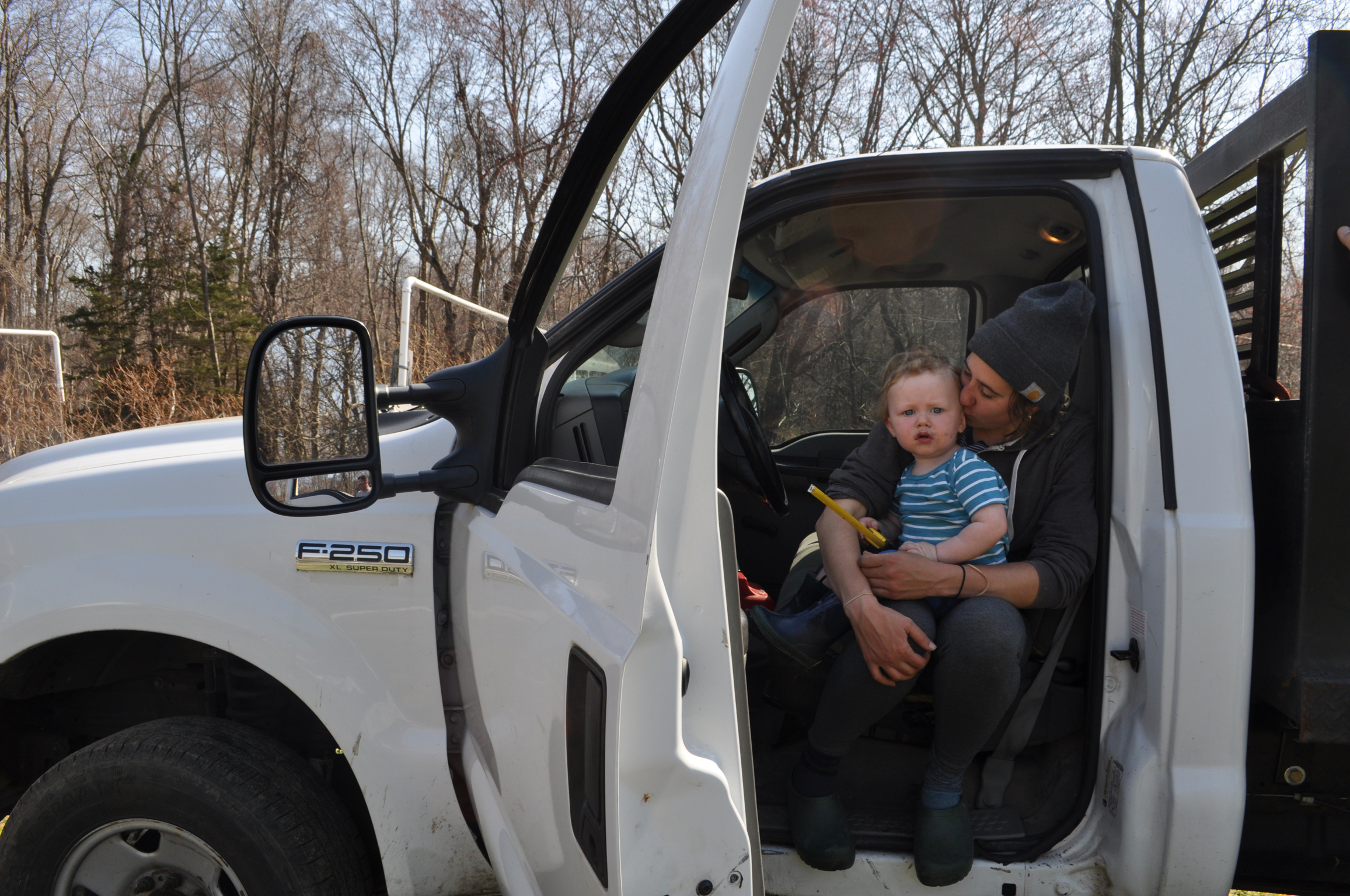
WE BOUGHT A FARM??! After a taxing six months of searching, and an even more taxing two months of paperwork, we're now on the other side (the fun side!) of the biggest commitment we've ever made to each other and to our business. It brings us immeasurable joy to be able to say: we now own a 13 acre farm in East Haddam, Connecticut. On paper it belongs to us, and in our hearts we belong to it. We're pinching ourselves.
WHERE WE WERE
Over the last few years Aaron, Caitlin, and Rachel have had the invaluable opportunity to grow the beginnings of our business on land that we didn't own, and that was very, very inexpensive to rent. While we'll always be thankful for the first three debt-free years we had at Darling Farm, we outgrew it quickly and there wasn't enough acreage to bring Elise to the team. We were incomplete without her, and we needed space to grow. Farming on ambiguously public land, and not being together every day, took its toll on us.
A year ago today we were just four farmers and best friends with the crazy idea that it is possible (that it must be possible) to build a small-scale organic vegetable farm that is both sustainable and profitable on land that we ourselves own. The idea gained momentum slowly as we realized how strongly we each believed in our shared vision, and in each other. We let the idea build, talked about it, kept farming, educated ourselves, had doubts. Deciding to enter the real estate market was daunting - with no idea what we could afford, or if we could afford anything, or who we could trust, or what we needed, we were nervous and fragile. We dipped our toes in, nervously looked at the first property, lost momentum. It took practice, but we got the hang of it.
We looked everywhere, we obsessively trolled real estate listings, we fell in love over and over again. We peered inside of ourselves to look for what we wanted, we aligned and realigned our priorities, weighing countless variables against each other and against our options. We got really good at Connecticut town geography. We made impossible spreadsheets, trying to quantify and qualify the intangible feeling of each place. We had the world’s most patient real estate agent (thank you, Georgia - we owe you) who was willing to drop everything and drive all over the state of Connecticut at a moments notice when we thought we’d found the one. She never once told us we were crazy. We looked at almost 20 farms over the course of six months (in the middle of the summer season, when the last thing in the universe we had was time to take an afternoon off and drive three hours round-trip to see a farm). Of those 20 there were four that we seriously considered. Of those four one was too small, one was too suburban, and one was way, way too expensive. (We bought the fourth one.)
Every new visit took it out of us. It was exhausting to imagine every alternative future – would we be happy and fulfilled here? Would this particular piece of land support the type of operation we’re going to create? Each one of us felt emotional about something different, everyone projected different things onto the same property, and sometimes it felt like we were getting further from knowing what we needed. We talked and talked and talked ourselves in circles.
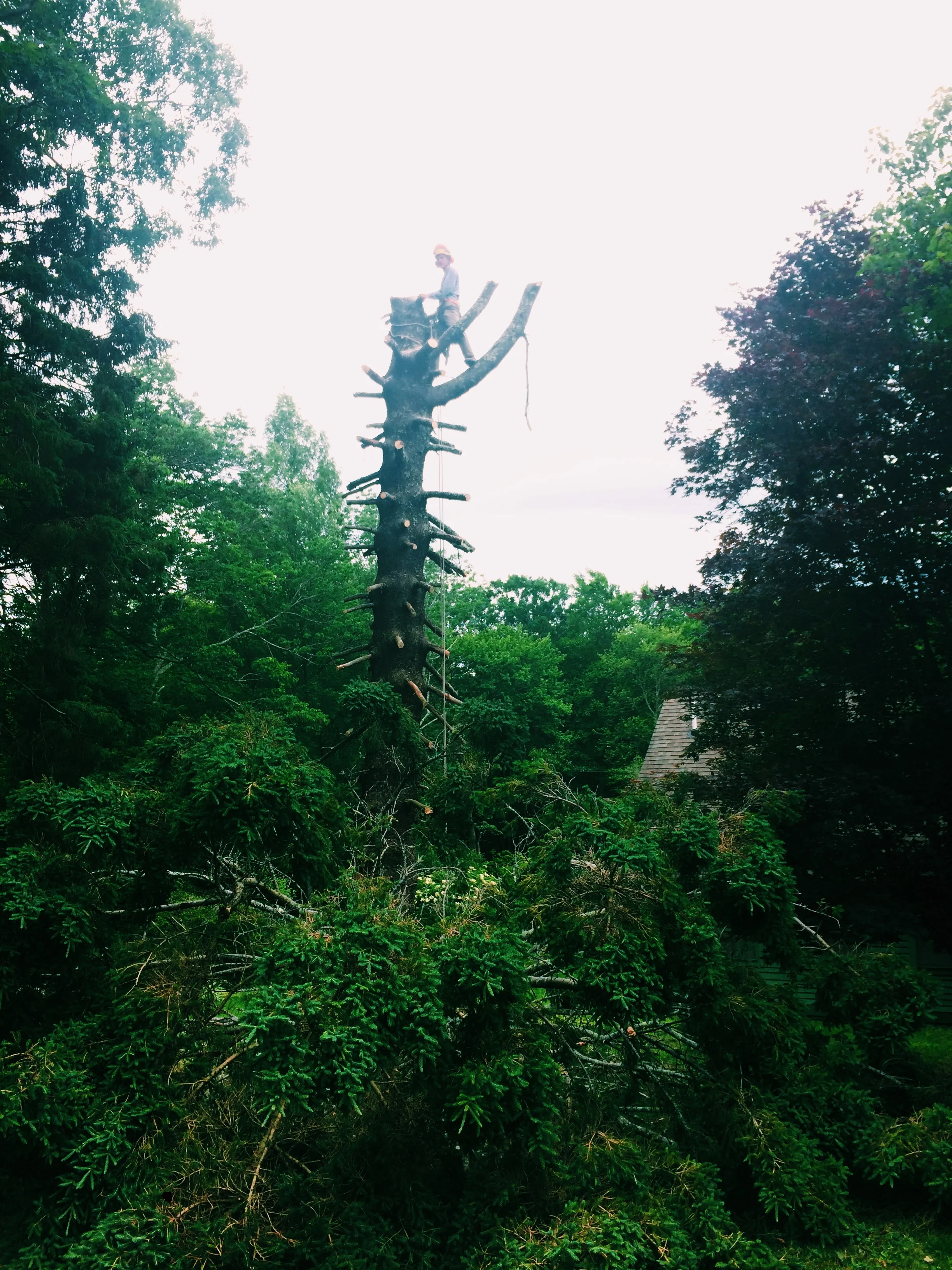
Here’s what we knew: We needed a minimum of five acres of flat open field with moderately healthy soil and a manageable number of rocks. We needed quiet. We needed some impossible combination of productive existing infrastructure and a blank slate on which to draw our perfect farm. We needed reasonable proximity to New Haven, to our loyal customers, and to our beloved market. We needed an old farmhouse that spoke to the architect among us. We needed zoning that would allow for the construction of two more houses in the near future, without being located in the middle of a suburban development market. We needed some woods, big trees for shade and shelter, and plenty of room for perennial gardens. We needed space to experiment and space to play.
We also knew that we loved each other as family, that no one of us could do it without the other three, and that we all shared a common vision of what we wanted for our farm.
Here’s what we didn't know: Would we know it when we saw it?