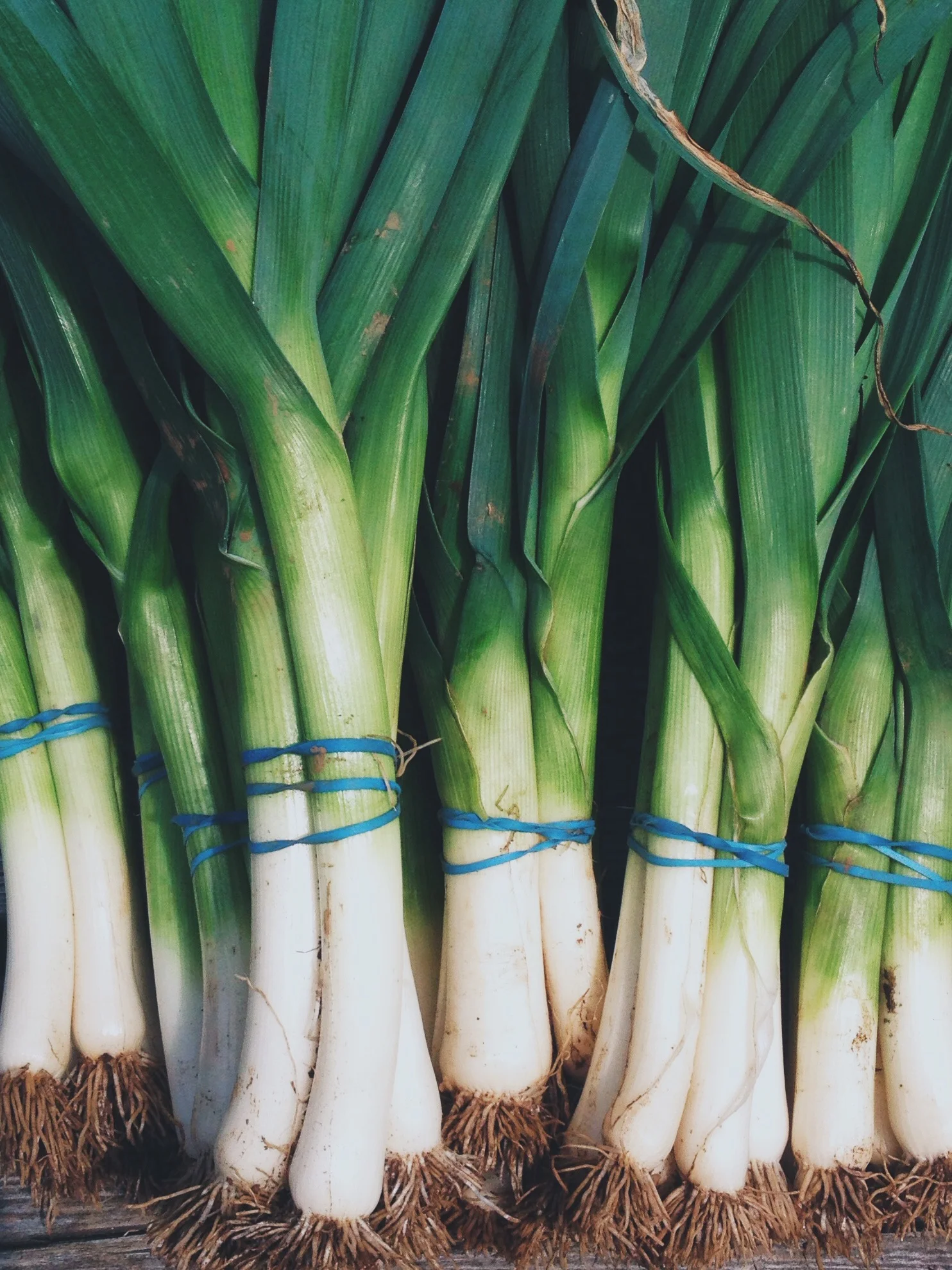
Shallots

IMG_0695.jpg

Care & Storage

For Eating Fresh (Cured): Store in a cool, dry, dark place for up to a month.

Availability

August - October


Recipes

Lemon-Shallot Salad Dressing
By Sam Sifton, published in the New York Times 

2 tbsp lemon juice
1 tsp red wine vinegar
1 shallot, minced
1 tsp Dijon mustard
1/3 cup extra-virgin olive oil
Kosher salt and freshly ground black pepper

Combine the lemon juice, vinegar, shallot, and mustard in a small bowl. Slowly whisk in the olive oil until the dressing emulsifies. Add salt and pepper to taste. Whisk again before dressing salad.


Asparagus and Shallots

1 lb asparagus
5-8 shallots, halved
2-3 tbsp olive oil plus 1/3 cup olive oil
2 tbsp balsamic vinegar
1 tbsp Dijon mustard
Salt and pepper to taste

Preheat the oven to 400° F. Arrange the asparagus and shallots in a rimmed baking sheet and drizzle with the 2-3 tbsp olive oil. Sprinkle with salt and pepper. Roast the asparagus and shallots for 12 to 15 minutes, until the thick end of the asparagus is tender when pierced with a fork or thin bladed knife. Remove to a platter. Whisk together the 1/3 cup olive oil, vinegar, and mustard and pour over the asparagus and shallots. Season with more salt and pepper as needed.


Pad Thai

Shallots are one of the key ingredients in authentic Pad Thai. Feel free to add any meat or vegetables to this recipe that you like. You should be able to find the tamarind paste and fish sauce in any good grocery store, but if you’re having trouble you may have to visit an Asian market. It will be worth it though, since the result will rival any Pad Thai you’ve had!

2 tbsp tamarind paste
½ tsp brown or white sugar (or cane sugar, if you have it)
2 tbsp rice vinegar
1½ tbsp fish sauce
Dash of light soy sauce
1 chopped fresh or dried chili, if you like it spicy (optional)
4-7 tbsp peanut oil
3 eggs
¼ tsp salt
½ lb tofu cut into 1-inch squares and pressed lightly between two paper towels
2 shallots, minced
3-4 cloves garlic, minced
1 lb cooked rice noodles (regular wheat pasta works too, in a pinch)
1 bunch scallions, chopped into 1 inch pieces
A few sprigs of cilantro
Chopped or ground roasted peanuts
Lime slices

In a small bowl, mix together a sauce of tamarind paste, sugar, rice vinegar, fish sauce, soy sauce, and optional chili. Set aside.

Heat a wok over high heat and add 3 tbsp peanut oil. Whisk together the eggs and salt, and pour into the peanut oil when it is hot but not quite to the smoking point. Allow the egg to bubble up around the edges, and then, using a wooden spoon, tip the wok one direction and push the egg mass in the other, allowing the uncooked eggs on top to run down to the center of the pan. Repeat in the other direction 2 or 3 times until the eggs are fully cooked through and then remove to a bowl. This whole process should take only about 2 minutes.

Add 1-2 tbsp of oil to the wok (enough to cover the bottom with about 1/8 inch), and when it is hot add the cubed tofu. Allow to cook without disturbing until lightly browned on one side, about 3 minutes (the secret to keeping tofu from sticking is not to try to move too early). Flip the cubes over and repeat on the other side. Remove to the same bowl as the egg.

If the wok is dry, add another 1-2 tbsp peanut oil and heat over high heat. Add the shallots and garlic and stir-fry quickly until browned, only about 1 minute. If you are adding any meat or vegetables, add to the pan at this point. Add the cooked noodles and toss until heated through. Add the tofu, egg, and scallions to the pan and toss quickly to distribute. Pour over the sauce and cook for 30 seconds more, enough to heat through but not enough to boil it off. Remove to bowls and garnish with cilantro, peanut, and lime slices.  
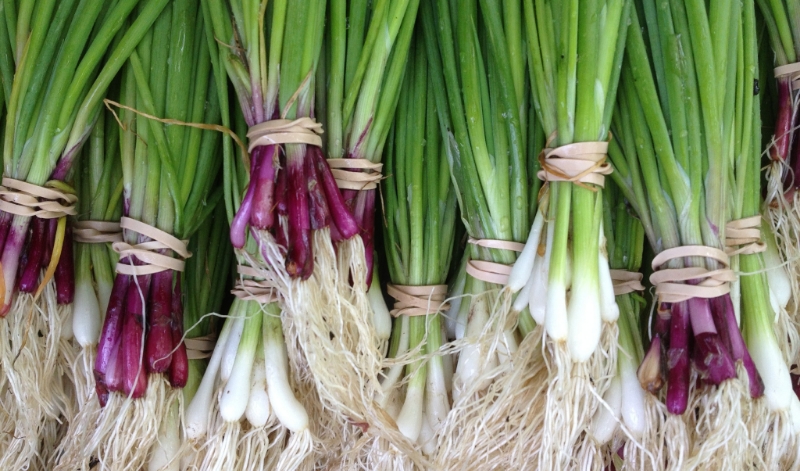
Scallions

IMG_0328.jpg

Care & Storage

For Eating Fresh: Wash and store in a perforated plastic bag in your fridge's crisper for up to a week.

Availability

June - July


Recipes

Ginger Scallion Noodles
Adapted from Momofuku by David Chang and Peter Meehan

Please, everyone, make ginger scallion noodles. They are one of our favorite summer meals - easy to prepare and easy to customize based on what's in season.

2 ½ cups thinly slices scallions
½ C finely minced peeled fresh ginger
¼ C grapeseed oil (or other neutral oil)
1 ½ tsp soy sauce
3/4 tsp sherry vinegar
3/4 tsp salt

Some sort of noodles (ramen, soba, or regular pasta)
Plus whatever else you want! Stir-fried or roasted veggies, tofu, pickled veggies, etc.

So, this is easy: Mix the sauce fixings in a bowl and let them stand for 20 minutes. Boil your noodles, drain, and toss with the sauce. Use about 6 tbsp of sauce per serving of pasta. Then top the noodles with anything you’d like. From our experience, this dish is begging for pan-roasted cauliflower (over high heat in a pan with some oil until the florets are slightly browned), sautéed eggplant and zucchini, and crispy pan-fried tofu. Super fresh cucumber pickles on top don’t hurt. Good news: it’s still amazing the next day, straight out of the fridge.

Salad Mix

Our custom DF mix is spicy and balanced, and we're proud of it - we've found the perfect mix of baby mustard greens, baby kale, mizuna, and tat soi. 

Our custom DF mix is spicy and balanced, and we're proud of it - we've found the perfect mix of baby mustard greens, baby kale, mizuna, and tat soi. 

Care & Storage

For Eating Fresh: Store in a perforated plastic bag in your fridge's crisper for three or four days. 

Colorful and tender baby lettuces make the most delicious salads, especially when mixed with our custom spicy mix.

Availability

May - November


Sage

Care & Storage

For Eating Fresh: Store in a bag in your fridge, but use within a week or two.

To Dry: Bundle the stalks with a rubber band and hang upside down in a warm, dry, dark place. Once dried, store herbs in an airtight container in a dark place.

To Freeze: Wash, drain, and chop the sage. 

Availability

July - October


Rosemary

Care & Storage

For Eating Fresh: Store in a bag in your fridge, but use within a week or two.

To Dry: Bundle the stalks with a rubber band and hang upside down in a warm, dry, dark place. Once dried, store in an airtight container in a dark place.

To Freeze: Wash, drain, and chop the rosemary. (Tip: Ice trays make good herb freezing containers. They provide ready-made single meal servings.)

Availability

July - October


Radishes

IMG_0479.jpg

Care & Storage

For Eating Fresh: Store unwashed in a perforated plastic bag in your fridge for up to a week.

Availability

May - July, September - November


Varieties of Note

Red Round
Pink Beauty
French Breakfast
Easter Egg


Recipes

Ten Minute Pickled Radishes
Adapted from Momofuku by David Chang and Peter Meehan 

One bunch radishes (about one pound), well scrubbed and cut into thin wedges through the root end
1 tbsp sugar
1 tsp kosher salt

Combine the radishes with the sugar and salt in a small mixing bowl and toss to coat with the sugar and salt. Let sit for 5 to 10 minutes. Taste the pickles. If they are too sweet or too salty, put them into a colander, rinse of the seasoning, and dry in a kitchen towel. Taste again and add more sugar or salt as needed. Serve after 5 to 10 minutes, or refrigerate for up to 4 hours.


Butter-Braised Radishes
From How to Cook Everything by Mark Bittman 

2 tbsp butter
1 tbsp canola or other neutral oil
1 pound radishes, more or less, trimmed
Salt and pepper to taste
¼ cup chicken, beef, or vegetable stock, or white wine
1 tbsp balsamic or other vinegar
1 tsp sugar
Minced fresh parsley leaves for garnish

Combine the butter and oil in a medium to large skilled that can later be covered; turn the heat to medium. When the butter melts, add the radishes and cook, stirring, until they are coated with butter, just a minute or two longer. Season with salt and pepper. Add the remaining ingredients, except the garnish, stir, and cover. Turn the heat to low and cook until the radishes are barely tender, about 5 minutes. Uncover and raise the heat to medium-high. Cook, stirring, until the radishes are glazed and the liquid is syrupy, another few minutes. Taste and adjust seasoning, garnish, and serve. 


Also, the French say to slice fresh radishes and put on toast with butter, but that's not our thing.

Radicchio

Care & Storage

For Eating Fresh: Wash and store in a plastic bag in your fridge's crisper for about a week.

Availability

October - December


Recipes

French Lentil Salad, adapted from Lisa Donovan of NYT Cooking

1 1/2 c dried lentils
5 thyme sprigs
5 small rosemary sprigs
2 bay leaves
1/4 c red wine vinegar
3 tbsp olive oil
1 tbsp Dijon mustard
2 tsp honey
1 lemon, zested and juiced
2 shallots, trimmed, halved, and sliced lengthwise
3 garlic cloves, minced
3 medium carrots, thinly sliced
1 head of radicchio, halved, cored, and thinly sliced
1 bunch parsley, finely chopped
1 tbsp roughly chopped dill
2 tsp chopped tarragon leaves

Rinse the lentils. Using kitchen twine, tie the thyme sprigs, rosemary sprigs and bay leaves together in a small bundle. (While not essential, this will make it easier to discard the herbs after cooking.)

Add lentils and herb bundle to a large pot and add enough water to cover by 2 inches. Bring to a boil on high then reduce heat to maintain a simmer. Cover and simmer until lentils are tender, 12 to 20 minutes, depending on the type of your lentils. Discard the herbs. Drain the lentils and rinse with cold water. Line a sheet pan with a towel and pour lentils out evenly onto the pan to dry and cool.

While the lentils cook, prepare the vinaigrette: In a large bowl, combine vinegar, olive oil, mustard, honey, half the lemon juice, 1 tablespoon salt and 2 teaspoons pepper; whisk well. Add the shallots and garlic and mix well.

Stir in the carrots and radicchio to coat, then add the cooled lentils and toss again. Stir in the parsley, dill, tarragon and half the lemon zest. Taste and adjust the seasonings for salt and pepper. Finish with a drizzle of olive oil, lemon juice to taste and a few more pinches of lemon zest.

Popcorn

Care & Storage

Store in a dark, dry place.

To pop popcorn on the cob: place in a paper bag, folded shut, and put in the microwave for approximately 3 minutes. The microwaving should be closely monitored, because the cob can sometimes ignite, it's easy to burn the kernels, and the time it takes to pop is highly variable depending on how fresh the cob is. 

Availability

November


Varieties of Note

Yellow
Dakota Black

Sweet & Bell Peppers

Care & Storage

For Eating Fresh: Store unwashed in your fridge for a week or so(if left outside of the fridge at room temperature, peppers will continue to ripen, but also tend to shrivel). 

To Freeze: Wash, core, remove blemishes, and cut into pieces.  Blanch for 3 minutes in boiling water. Cool immediately. You can also freeze sweet peppers without blanching for thawing and eating raw. (Tip: If you lay the pieces on a tray in the freezer before putting them in a container, then the pieces will freeze individually instead of in a large clump and can be used at different times instead of all at once.)

Availability

August - October


Varieties

FRYING PEPPERS 
Jimmy Nardello
Carmen

PIMENTOS
Tangerine Pimento

BELLS 
Purple Bell
Orange Bell

TAPAS PEPPERS
Shishito & Padron
Shishito (a Japanese variety), and Padron (Spanish), are small peppers used as an appetizer or tapas. Both varieties are predominately sweet, but you’ll find that 5-10% of them will have some heat to them, providing the extra fun of “pepper roulette” at the dinner table! To prepare, heat a cast-iron pan or wok over high heat and add a tablespoon or two of oil. Toss the peppers in and cook on high for just a few minutes until they have softened and the skin is browned in some places. Sprinkle with sea salt and serve hot. 

Hot Peppers

Care & Storage

For Eating Fresh: Store unwashed in your fridge for a week or two (if left outside of the fridge at room temperature, peppers will continue to ripen, but also tend to shrivel). 

To Dry: String peppers together with a needle and thread, then hang in a window or put in your oven at 100°F for 24 hours.

Availability

August - October


Varieties of Note

Oh, the hot pepper. We love the color, shape, and flavor variety found in the pepper family so much. Here are this year’s varieties, listed in approximate order from least to most hot:

Ancho / Poblano – Called Poblano when green and Ancho when dried, these are relatively mild and used for roasting or stuffing. (1,500 Scoville units)
Hungarian Hot Wax – These large meaty peppers are mild enough that they can be thrown into a dish in large slices without overwhelming it.
Matchbox – Smaller and somewhat hotter then the Hungarian Hot Wax, but still relatively mild. Delicious chopped up in spicy omlets.
Jalapeño (5,000 Scoville units) - Make some delicious salsa.
Czech Black – A striking deep purple color, similar in flavor and spice to a jalapeño.
Bulgarian Carrot Chili
Serrano (20,000 Scoville units)
Cayenne (40,000 Scoville units)

(from here on down we recommend - from experience - wearing gloves while handling)

Red Thai & Yellow Thai - Very hot (75,000 Scoville units)
Red Mushroom - Very hot.
Habanero – Extremely hot (250,000 Scoville units).
Chocolate Habanero – Extremely hot.
Scotch Bonnet – Extremely hot (250,000 Scoville units)
Bhut Jolokia – One of the hottest peppers on record, also known as the Ghost Pepper. 1,000,000 Scoville units! Beware and please don't hurt yourself eating them - as a point of comparison, pepper spray (the weapon) measures approximately 2,000,000 on the Scoville scale.


Recipes

Honeyed Jalapeño Ring Pickles
Adapted from The Joy of Pickling by Linda Ziedrich
Makes 8 half-pint jars 

2¼ lbs jalapeño peppers, cut into 3/16 inch rings and, if you like, seeded
24 whole black peppercorns
8 cloves garlic, sliced
2 tbsp mixed pickling spices
1 quart cider vinegar
2 tbsp honey
2 tsp pickling salt
4 tbsp olive oil

Divide the peppercorns and garlic evenly among 8 half-pint jars. Tie the spices in a spice bag or a scrap of cheesecloth and put it into a saucepan with the vinegar, honey, and salt. Bring the contents to a boil. Add the pepper rings and bring the contents back to a simmer.

Divide the peppers among the jars, and pour the hot liquid over them, leaving a little more than ½ inch headspace. Discard the spice bag. Pour about 1½ tsp olive oil into each jar and close the jars with two-piece caps. Process the jars for 10 minutes in a boiling-water bath. 

Peas

Care & Storage

For Eating Fresh Sugar Snap Peas: Store the pods unwashed in a perforated plastic bag in your fridge for up to a week, but please eat them quickly - they're just better that way.

For Eating Fresh Shelling Peas: Store the pods in your fridge for up to a week. Shell the peas when you're ready to cook them.

To Freeze: Shell and then blanch for 2 1/2 minutes in boiling water. Cool immediately.

Availability

May - June


Varieties of Note

Shelling Peas
Removing the peas from the inedible shells may be time consuming, but it is well worth it to have fresh peas. They are dramatically better then those that come frozen or from a can! If you want to put peas up for beyond the all-too short season when they are available these are ones to use. 

Snow Peas
With sweet pods and underdeveloped peas, these are used whole in stir-fries, salads, or sautés.

Sugar Snap Peas
The best of both worlds! Edible pods and large sweet peas. Delicious in any form, but good luck getting them home from the market without eating them all on the way! 


Recipes

Sesame Snap Peas

1 lb sugar snap peas
1-2 tsp sesame oil (or to taste)
1 tsp black sesame seeds
Coarse salt
2-3 fresh radishes (optional)

Remove strings from peas and toss with sesame oil and seeds. If using radishes, slice into thin rounds and toss with peas. Sprinkle with salt to taste. 

Parsley

Care & Storage

For Eating Fresh: For short-term storage (1-2 days) snip the ends of the stalks and place them in cup of clean water. Refresh the water as needed. You can also store parsley in a perforated plastic bag in your fridge for up to a week. 

To Dry: Bundle the stalks with a rubber band and hang upside down in a warm, dry, dark place. Once dry, store herbs in an airtight container in a dark place.

To Freeze: Wash, drain, and chop the parsley. (Tip: Ice trays make good herb freezing containers. They provide ready-made single meal servings.)

Availability

July - November


Recipes

Zhoug Chili Paste

1 bunch cilantro
1/2 bunch parsley
2 hot green chilis, coursely chopped
1/2 tsp ground cumin
1/2 tsp ground cardamom
1/4 tsp ground cloves
1/8 tsp sugar
1/4 tsp salt
1 clove garlic, crushed
2 tbsp olive oil
2 tbsp water

Blend all ingredients in food processor until it forms a course paste. Should be HOT!

Oregano

Care & Storage

For Eating Fresh: Store in a bag in your fridge and use within a week.

To Dry: Bundle the stalks with a rubber band and hang upside down in a warm, dry, dark place. Once dried, store herbs in an airtight container in a dark place.

To Freeze: Wash, drain, and chop. (Tip: Ice trays make good herb freezing containers. They provide ready-made single meal servings.)

Availability

July - October


Lemongrass

Care & Storage

For Eating Fresh: Chop off the reedy bit at the top and the tough part at the bottom, leaving about six inches in the middle, then strip down the tough outer layers. Store in a plastic bag in your fridge for up to a month.

To Freeze: Freeze lemongrass as is in a bag or container.

Availability

August - October


Recipes

Green Curry Paste
Adapted from Real Thai by Nancie McDermott 

1 tbsp whole coriander seed
1 tsp whole cumin seed
5 whole peppercorns
3 stalks fresh lemongrass
¼ cup coarsely chopped cilantro leaves and stems
1 tbsp coarsely chopped fresh ginger
1 tsp finely minced lime peel
3 tbsp coarsely chopped garlic
2 tbsp coarsely chopped shallot
½ cup fresh green Thai chilies
1 tsp salt

Place the coriander seed in a small skillet and dry-fry over medium heat until slightly darkened and fragrant, 3-5 minutes. Transfer to a small bowl to cool. Repeat with the cumin seed. Combine the roasted spices and peppercorns and grind to a fine powder in a mortar or spice grinder. Trim the lemongrass, discarding grassy tops and cutting away hard root section. Slice each stalk crosswise very thinly, and then chop finely. Place in a large heavy mortar. Add the cilantro, ginger, and lime peel. Pound until the ingredients are broken down, scraping down the sides often. Add the garlic and shallot and continue pounding until a moist, fragrant paste forms. Add the chilies, then the ground spices, salt, and shrimp paste, and grind well. If you don’t have a large mortar, you can use a food processor instead, though the pounding and grinding of a mortar is preferable to the chopping action of a food processor;

Kale

Care & Storage

For Eating Fresh: For short-term storage (1-2 days) snip the ends of the stalks and place them in cup of clean water. Refresh the water as needed. For longer-term storage, a week or so, put the kale in a perforated plastic bag in your fridge.

To Freeze: Wash and then blanch for 3 minutes in boiling water. Cool immediately.

Availability

June - November


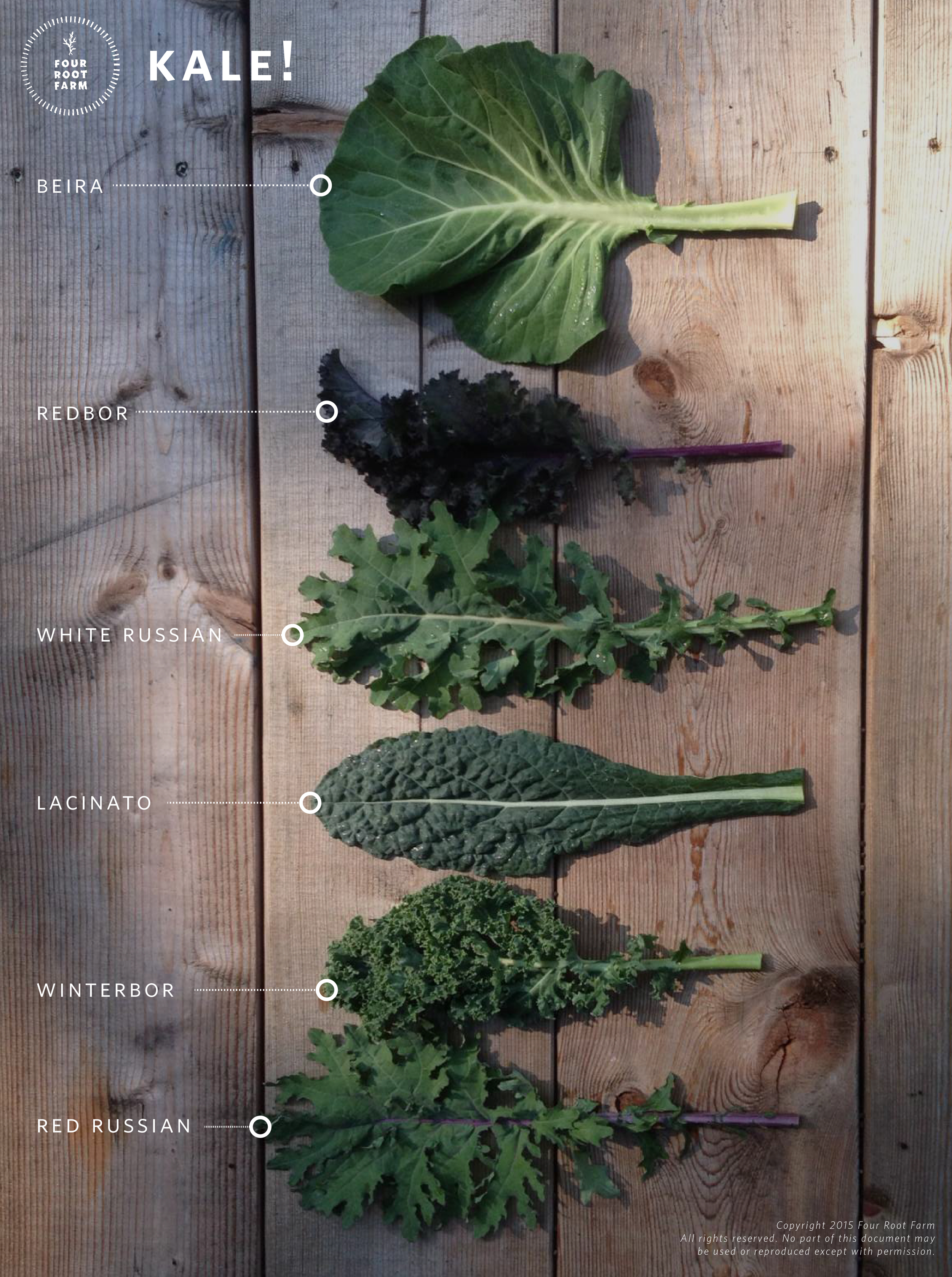
Varieties of Note

Winterbor
Redbor
Beira

Red and White Russian
Red and White Russian Kale are essentially the same in terms of texture and flavor, but have slightly different growing habits. This makes them excellent companions throughout the growing season, as one is often doing better then the other depending on conditions. Both have a light leaf that cooks quickly and is excellent lightly sautéed or raw in salad.
Lacinato
Lacinato Kale, also known as Toscano, or Dinosaur Kale, is a traditional Italian variety with a firm leaf and lower water content then many other varieties. As a result it is the best variety for kale chips and also excellent in soup.


Recipes


Toasted Kale Salad
Adapted from Super Natural Every Day by Heidi Swanson

1/3 C olive oil
1 tsp sesame oil
2 tbsp soy sauce, tamari, or shoyu
1 bunch winterbor kale
1 1/2 C unsweetened large-flake coconut (or 1/2 C finely shredded coconut)
2 C cooked farro or other whole grain (optional)

Prehead the oven to 350 degrees. In a small bowl wisk together the olive oil, seasame oil, and soy sauce. Put the kale and coconut in a large bowl and toss with about two-thirds of the sauce mixture. Spread the kale evenly across a baking sheet and bake until the coconut is deeply golden brown - about 20 mintes. Mix occassionally if kale is baking unevenly.  Remove from the oven and transfer back to the bowl, mix in more sauce if needed. Toss with grain and serve warm.


Kale Chips

This works best with lacinato kale since it contains the least water, but you can use any other variety of kale as well, as long as you remove thick stems first. 

1-2 pounds of kale
2-3 tbsp olive oil
Salt and freshly ground pepper

Preheat oven to 350° F. Wash kale and remove stems larger then 1/8 inch thick. Chop coarsely and place on a baking sheet. Drizzle with olive oil and sprinkle with salt and pepper to taste. Place in the oven and cook, stirring frequently, until kale is dried and crispy, about 10 minutes. Sprinkle with more salt as needed.


Kale and Potato Soup
From How to Cook Everything by Mark Bittman

1 large baking potato, cut into eighths
1 clove garlic, lightly smashed
5 cups chicken, beef, or vegetable stock or water, preferably warmed
About 3 cups roughly chopped kale leaves (stripped from the stalks and well rinsed before chopping)
1 tsp fresh marjoram or oregano leaves or ½ tsp dried marjoram or oregano
1 bay leaf
Salt and freshly ground black pepper to taste

Combine the potato, garlic, and 2 cups of the stock or water in a medium saucepan and turn the heat to medium-high. Cook until the potato is soft, about 15 minutes; cool slightly. At the same time, cook the kale in the remaining stock or water with the marjoram and bay leaf until tender, about 10 minutes. Remove the bay leaf. Puree the potato, garlic, and stock or water together; the mixture will be thick. Stir it into the simmering kale, season with salt and pepper, and heat through. Serve immediately. 

Hakurei Turnips

Care & Storage

For Eating Fresh Turnip Greens: Remove the greens. Wash and dry and store in a perforated plastic bag in your fridge's crisper.

For Eating Fresh Turnips: Store beets unwashed in a perforated plastic bag in your fridge for up to one week. The sooner they get eaten the better - they'll lose their tender crunch over time. 

For Freezing (Turnip Greens): Wash then blanch the greens for 3 minutes in boiling water. Cool immediately.

Availability

May - June, September - October


Ginger

Care & Storage

For Eating Fresh: Store as is in your fridge for up to a month. Ginger may turn rubbery after a few weeks, but it is still delicious to eat (remove any hardened scales before eating).

To Freeze: Peel ginger and freeze it in chunks. Take out and grate / cut up as needed.

Availability

September - October


Recipes

Ginger Scallion Noodles
Adapted from Momofuku by David Chang and Peter Meehan

2 ½ cups thinly slices scallions
½ C finely minced peeled fresh ginger
¼ C grapeseed oil (or other neutral oil)
1 ½ tsp soy sauce
3/4 tsp sherry vinegar
3/4 tsp salt

Some sort of noodles (ramen, soba, or regular pasta)
Plus whatever else you want! Stir-fried or roasted veggies, tofu, pickled veggies, etc.

So, this is easy: Mix the sauce fixings in a bowl and let them stand for 20 minutes. Boil your noodles, drain, and toss with the sauce. Use about 6 tbsp of sauce per serving of pasta. Then top the noodles with anything you’d like. From our experience, this dish is begging for pan-roasted cauliflower (over high heat in a pan with some oil until the florets are slightly browned), sautéed eggplant and zucchini, and crispy pan-fried tofu. Super fresh cucumber pickles on top don’t hurt. Good news: it’s still amazing the next day, straight out of the fridge.

Garlic Scapes

Care & Storage

For Eating Fresh: Store the scapes in a perforated plastic bag in your fridge for up to two weeks.

Availability

June


Recipes

Garlic Scape and Basil Pesto

2 loosely packed cups fresh basil leaves, big stems discarded
1 bunch garlic scapes
Salt to taste
2 tablespoons toasted almonds or walnuts
1/2 C olive oil
1/2 C grated parmesan cheese (unnecessary but acceptable!)

Combine dry ingredients and half the oil in the food processor or blender, and blend while adding more oil slowly, until the pesto is the desired consistency.

The thing about pesto is that it is infinitely adaptable and customizable, so experiment.  Smoother or more dry, stronger garlic or more salt, cheese or no cheese, etc. Then, once you’ve developed a ratio that suits you, make a big batch and freeze it for winter - nothing beats winter like a steaming bowl of pesto, straight from summer.